%2Ffit-in%2F250x250%2Fguide_websites%2F15008%2Fimages%2F1777423138189logo.jpg&w=1920&q=100)
/users/e560ce27-254c-4998-85f6-407cf1e703a6/ratecard/beg1-mjce3652.jpg)
%2F300x300%2Fusers%2Fe560ce27-254c-4998-85f6-407cf1e703a6%2Fratecard%2Fbeg1-mjce3652.jpg&w=256&q=75)
%2F300x300%2Fusers%2Fe560ce27-254c-4998-85f6-407cf1e703a6%2Fimages%2Fbluefish-cruises-fishing-wanchese-2399.jpg&w=256&q=75)
%2F300x300%2Fusers%2Fe560ce27-254c-4998-85f6-407cf1e703a6%2Fimages%2Fspotted-weakfish-wanchese-2510.jpg&w=256&q=75)
%2F300x300%2Fusers%2Fe560ce27-254c-4998-85f6-407cf1e703a6%2Fimages%2Fbest-cruises-fishing-wanchese-2334.jpeg&w=256&q=75)
%2F300x300%2Fusers%2Fe560ce27-254c-4998-85f6-407cf1e703a6%2Fimages%2Fwanchese-fishing-cruises-big-thrills-2380.jpeg&w=256&q=75)
%2F300x300%2Fusers%2Fe560ce27-254c-4998-85f6-407cf1e703a6%2Fimages%2Fredfish-wanchese-cruises-fishing-2519.jpg&w=256&q=75)
%2F300x300%2Fusers%2Fe560ce27-254c-4998-85f6-407cf1e703a6%2Fimages%2Fthrilling-fishing-cruises-in-nc-2363.jpg&w=256&q=75)
%2F300x300%2Fusers%2Fe560ce27-254c-4998-85f6-407cf1e703a6%2Fimages%2Fwanchese-fishing-adventure-2447.jpg&w=256&q=75)
%2F300x300%2Fusers%2Fe560ce27-254c-4998-85f6-407cf1e703a6%2Fimages%2Ffishing-wanchese-cruises-2393.jpg&w=256&q=75)
%2F300x300%2Fusers%2Fe560ce27-254c-4998-85f6-407cf1e703a6%2Fimages%2Ffishing-adventure-wanchese-2459.jpg&w=256&q=75)
%2F300x300%2Fusers%2Fe560ce27-254c-4998-85f6-407cf1e703a6%2Fimages%2Fcruising-fishing-nc-2433.jpg&w=256&q=75)
Beginner-Friendly Wanchese Fishing | Sounds Good
 Outer Banks
What you will be catching:
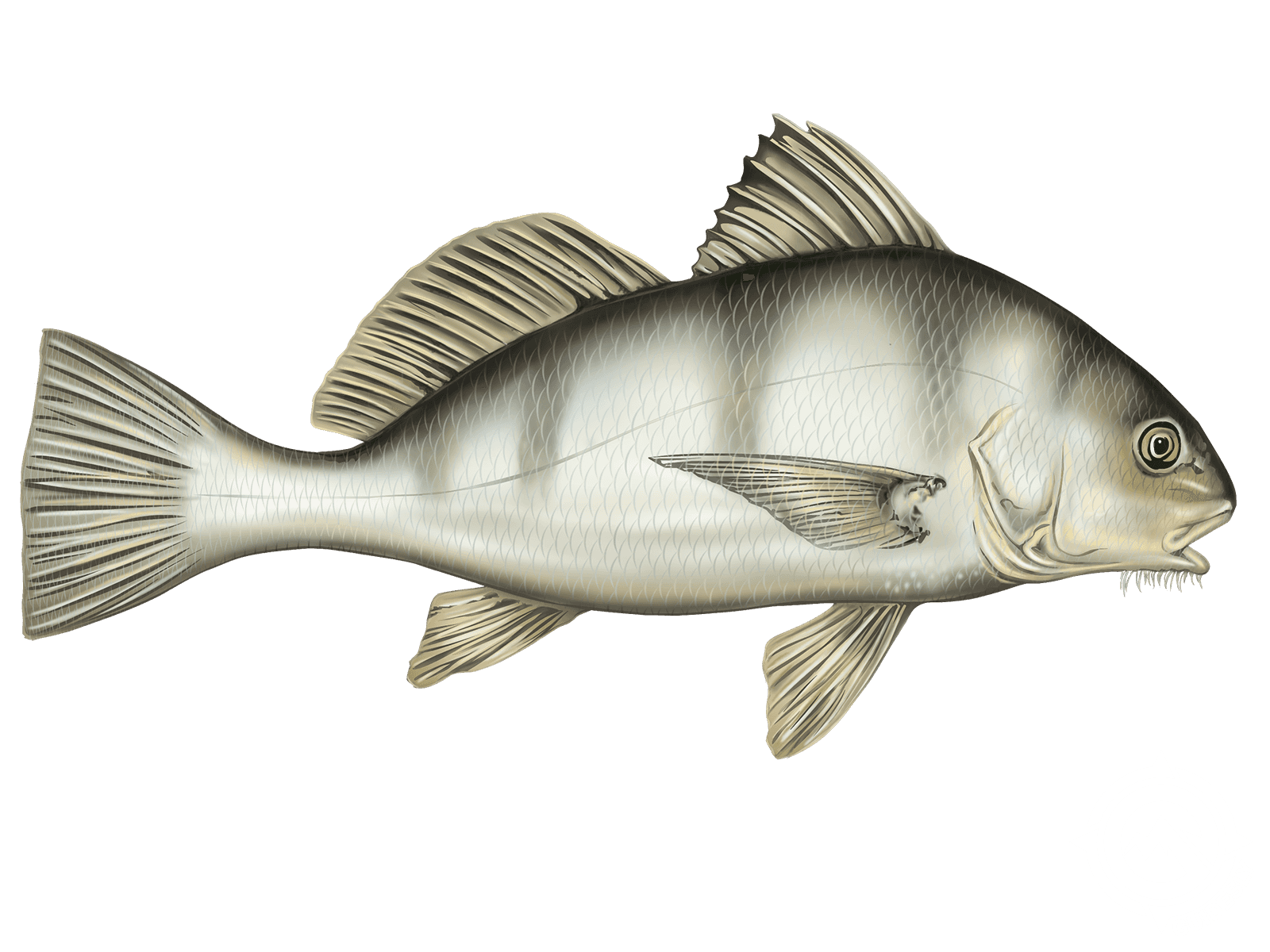
 Black Drum
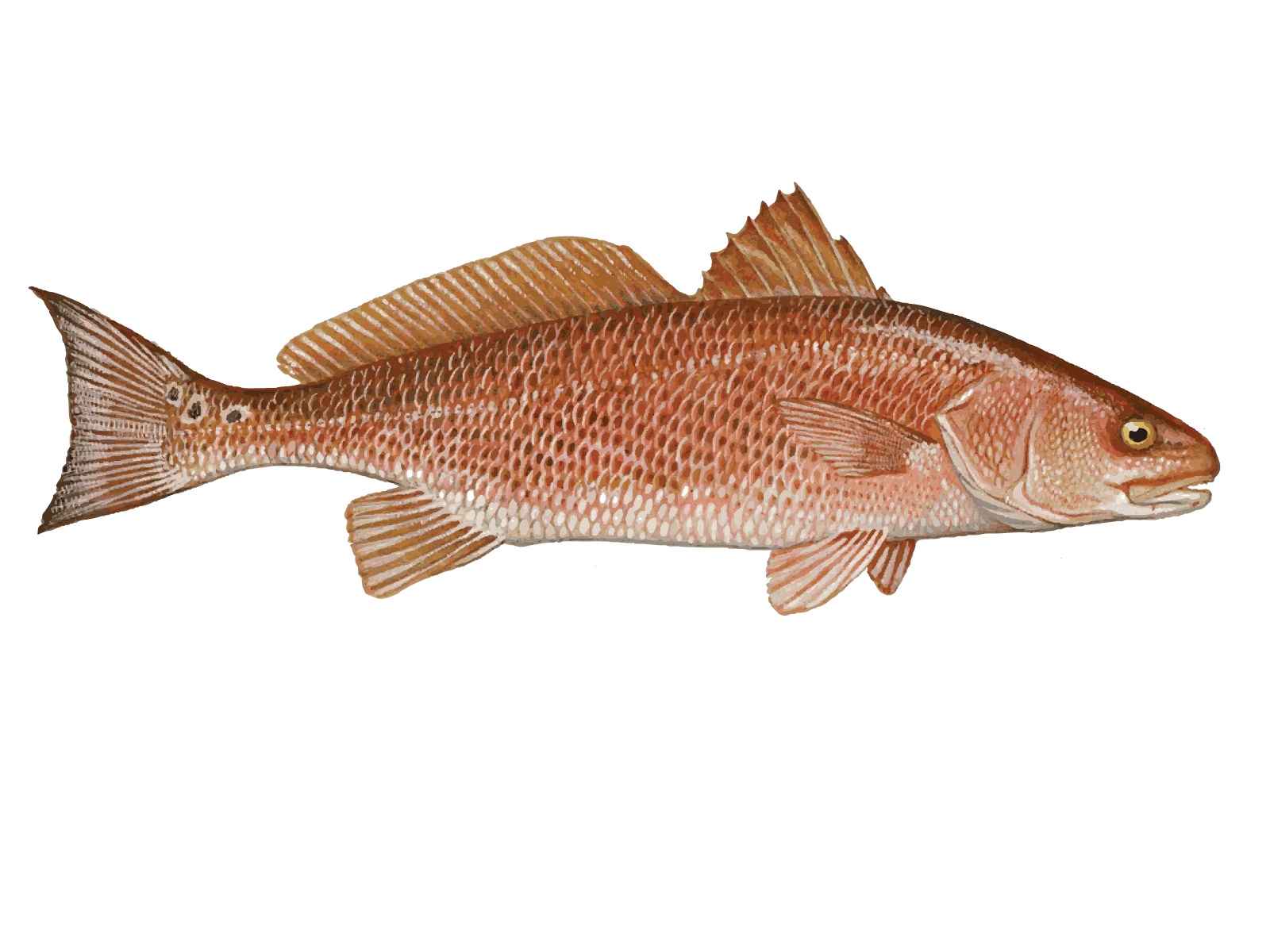
 Redfish
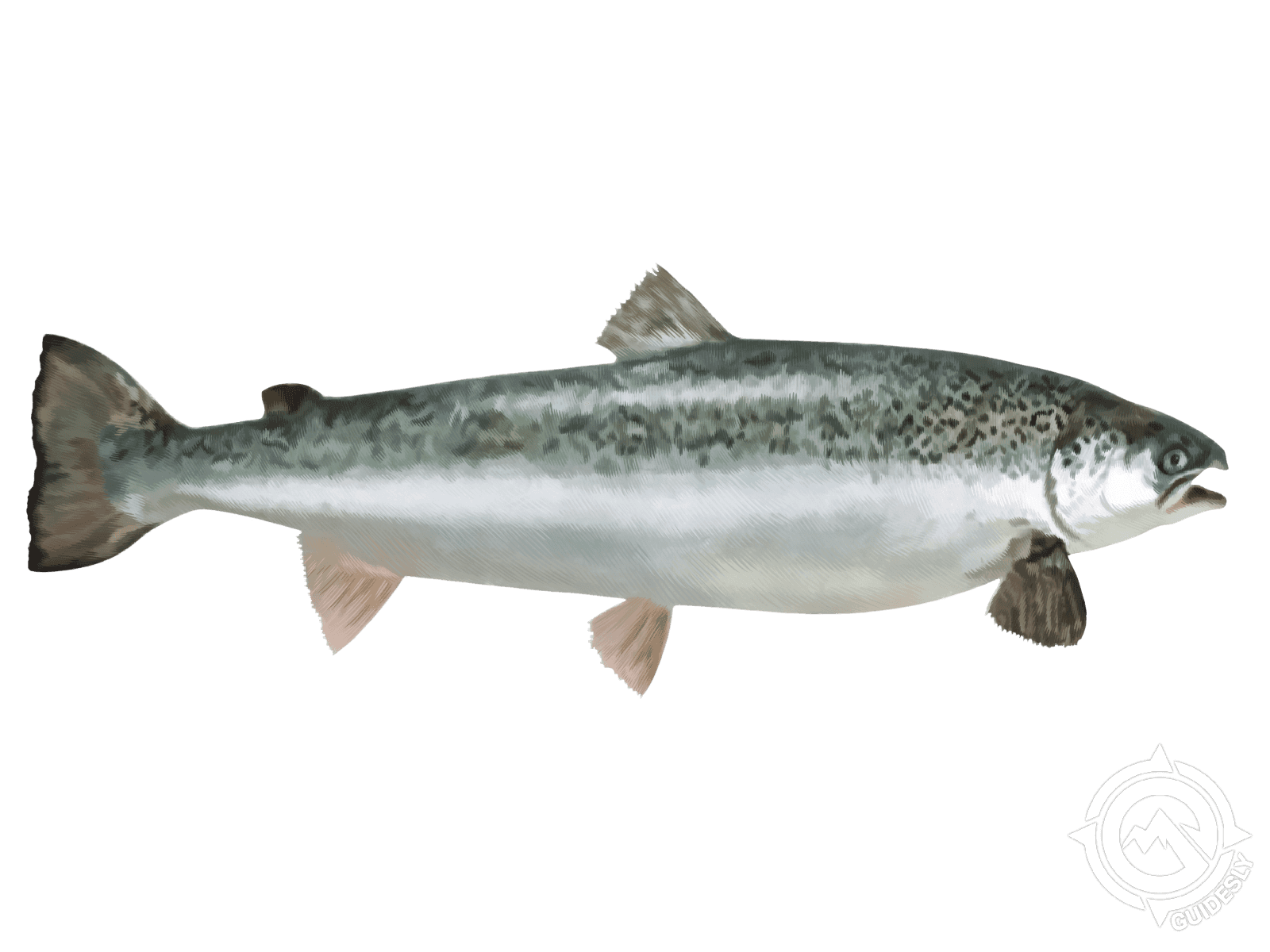
 Sea Trout
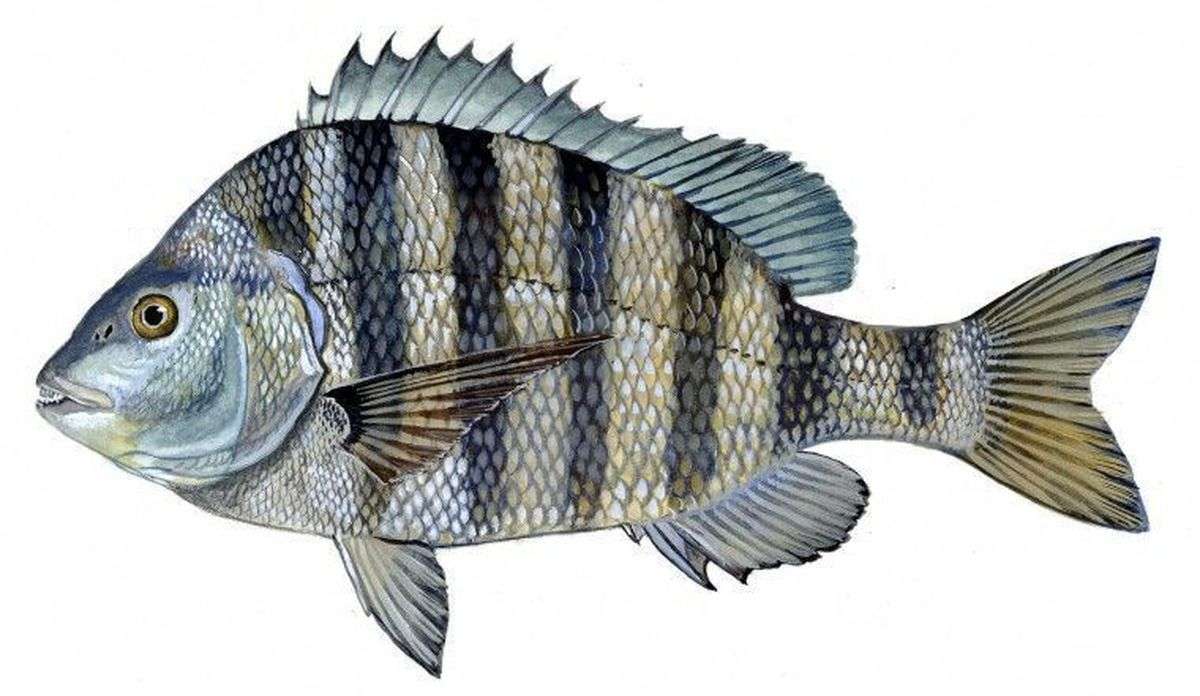
 Sheepshead
 Summer Flounder
- 4-hour beginner-friendly morning trip with expert instruction
- Targets redfish, trout, drum, bluefish in productive inshore waters
- Small group size ensures personalized attention and skill development
Trip Pricing and Availabilities:
Half Day Beginner-Friendly Fishing in Wanchese
Looking to get your feet wet in the world of inshore fishing without the pressure? Captain Mike Midgett's got you covered with this laid-back 4-hour morning trip that's designed specifically for beginners and anyone wanting to brush up on their basics. We'll meet at Wanchese Marina bright and early at 7:30 AM, grab some coffee if you need it, and head out into some of the most productive inshore waters the Outer Banks has to offer. This isn't about breaking records or landing trophy fish – it's about learning the ropes, getting comfortable with your gear, and maybe surprising yourself with what you can pull up from these waters.
What to Expect on the Water
Captain Mike keeps things simple and stress-free on these beginner trips. You'll be fishing the shallow flats and grass beds around Wanchese, where the water's calm and the fish are usually cooperative. The boat holds up to 4 guests, so you're not fighting for space or waiting forever for your turn. Mike's been guiding these waters for years, and he knows exactly where to put you on fish while keeping the learning curve manageable. Expect to spend time working on your casting technique, learning how to read the water, and understanding what different fish feel like when they hit your line. The morning bite is usually solid around here, and by the time we head back around 11:30, you'll have a good feel for what inshore fishing is all about. Don't forget to bring your fishing license and any personal items you'll need – everything else is provided.
Techniques & Tackle Setup
We keep the tackle simple and effective on these beginner-friendly trips. You'll be using light spinning gear with live bait and soft plastics – nothing too complicated that'll frustrate a new angler. Captain Mike will show you how to work a shrimp under a popping cork, one of the most productive techniques in these waters, and you'll learn the basics of fishing soft plastic baits around grass beds and structure. The beauty of inshore fishing around Wanchese is that you don't need heavy tackle or complex rigs. Most of what we're targeting can be caught on 15-20 pound test with simple jig heads and live bait. Mike takes the time to explain why we're using certain baits in specific spots, how to feel the difference between a fish and the bottom, and when to set the hook. By the end of the trip, you'll understand the fundamentals that'll serve you well whether you're fishing from shore or booking your next charter.
Top Catches This Season
The redfish around Wanchese are absolute favorites among beginners because they fight hard but don't require perfect technique to hook up. These copper-colored beauties typically run 18-27 inches in our shallow waters, and they're most active during the cooler morning hours when we're out there. Redfish are forgiving – they'll eat a shrimp that's presented a little sloppy, and once hooked, they put on a show with their bulldogging runs. Summer and fall are prime time, but we see them year-round in the deeper grass beds.
Sea trout are another beginner favorite that'll teach you finesse while still being forgiving. These spotted beauties average 14-18 inches around here, with the occasional keeper pushing 20 inches or better. They've got a soft mouth, so you'll learn proper drag settings and hook-setting technique without losing too many fish. Trout are most active during moving tides, and they love the grass flats we fish. Spring through fall offers the best action, with early morning being prime time.
Black drum might not be the prettiest fish, but they're perfect for building confidence. These bottom-dwelling fighters typically run 2-8 pounds in our area, and they're not picky eaters. They'll teach you patience and how to detect subtle bites, plus they put up a surprising fight for their size. We see black drum year-round, but spring and fall offer the most consistent action when they're feeding heavily in the shallows.
Summer flounder add an element of excitement because they're excellent table fare and require a bit more skill to catch consistently. These flatfish typically range from 14-20 inches around Wanchese, and they're ambush predators that'll teach you about presentation and patience. The key is keeping your bait moving just off the bottom, and when they hit, there's no mistaking it. Late spring through early fall is prime flounder season in our area.
Sheepshead are the technical challenge that keeps things interesting – they're notorious bait thieves with sharp teeth and quick reflexes. Most of our sheepshead run 12-16 inches, but they're tricky to hook and fun to target around structure. They'll teach you about bait presentation and quick hook sets. We typically see the best sheepshead action in late spring and early summer around the pilings and hard bottom areas.
Time to Book Your Spot
This half-day beginner trip strikes the perfect balance between learning and actually catching fish. Captain Mike's patient teaching style and the productive waters around Wanchese make it a top-rated choice for anyone looking to get into inshore fishing without feeling overwhelmed. The 4-hour timeframe is ideal – long enough to learn the basics and get into some fish, but not so long that you're exhausted by the end. Morning trips tend to book up fast, especially during peak season, so don't wait too long to secure your spot. Whether you're looking to try fishing for the first time or want to build confidence before tackling more challenging trips, this is the perfect way to get started with Sounds Good Charters.
Learn more about the species
Black Drum
Black drum are chunky, powerful fish that run 5-30 pounds in our waters, though bigger ones show up occasionally. They're bottom feeders with strong jaws made for crushing oysters and crabs around structure. You'll find them on shallow flats, near pilings, and around oyster beds where they love to root around for food. Spring is prime time when they school up for spawning - makes them much easier to locate. What guests really enjoy is their bulldogging fight and those weird drumming sounds they make underwater. Plus, smaller ones under 15 pounds make great table fare with firm, white meat. My tip: use fresh crab bait and keep it right on the bottom - they won't chase it up in the water column like other fish will.
Redfish
Redfish are the bread and butter of our inshore fishing - copper-colored beauties with that signature black spot near the tail. They typically run 18-27 inches around Wanchese, with slot fish being perfect for the dinner table. These fish love super shallow water, often in just 1-4 feet around grass flats, oyster bars, and marsh edges. Fall through spring is prime time when they're most active and feeding heavily. What makes them so popular is their aggressive strikes and powerful runs that'll get your heart pumping, plus they're not picky eaters. Smaller slot fish are fantastic eating with firm, mild meat. They're also great for beginners since they hit both live bait and artificials readily. My advice: look for nervous water and tailing fish in the shallows, and use topwater plugs early morning for explosive surface strikes.
Sea Trout
Spotted sea trout are beautiful silver fish with distinctive black spots that make them easy to identify. They typically run 14-18 inches with some nice ones pushing 3-5 pounds in our better spots. You'll find them over grass flats and around creek mouths in 3-8 feet of water, especially where there's moving water and baitfish. They bite well year-round here, but fall and spring provide the most consistent action when they're actively feeding. What guests love is their willingness to hit artificial lures and their spirited fight for their size. They're also excellent table fare - soft, white meat with a mild flavor that's perfect for beginners. The trick is fishing the grass edges at dawn or dusk with shrimp under a popping cork, and don't horse them - that soft mouth tears easily so keep steady pressure.
Sheepshead
Sheepshead are the "convict fish" with those distinctive black and white stripes and human-like teeth that'll give you a double-take. They typically run 2-6 pounds around here, though we occasionally hook into some 10+ pounders that'll really test your gear. Look for them around any structure - docks, pilings, bridges - anywhere barnacles and small crabs are hanging out. Spring is when they're most active, especially around spawning time in March and April. What makes them fun to target is they're notorious bait thieves with light bites that'll keep you on your toes. Great eating too - sweet, flaky white meat that's worth the effort to clean around those tough scales. Here's the key: use small hooks with fresh fiddler crab or shrimp, get close to structure, and set the hook hard the moment you feel weight.
Summer Flounder
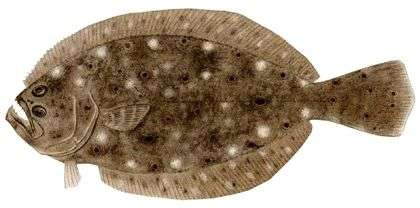
Summer flounder are flatfish that lie on sandy bottoms waiting to ambush prey - they're like underwater chameleons that change color to match the bottom. Most run 15-20 inches, but we catch some nice ones up to 6-8 pounds. They hang out on sand and mud bottoms in 8-25 feet of water, especially near drop-offs and channel edges. Fall fishing from September through November is when they really turn on before heading offshore for winter. Guests love the challenge of feeling those subtle bites and watching them change colors in the boat. They're also some of the best eating fish we catch - sweet, white meat that's perfect for dinner. Pro tip: use a slow drift with live minnows or strips near the bottom, and don't set the hook too fast - let them take it and run first.
About the Sounds Good Charters
%2F%2Fusers%2Fe560ce27-254c-4998-85f6-407cf1e703a6%2Fvehicle_picture%2F344757473_764794505084572_6217706559865384831_n.jpg&w=1920&q=75)
Vehicle Guest Capacity: 4
Manufacturer Name: New 2023 Suzuki
Maximum Cruising Speed: 35
Number of Engines: 1
Horsepower per Engine: 150